Pressed for time? Here are the key points.
- Timber has a warm, natural look, but it needs regular sealing or painting and is vulnerable to rot and pests, especially through Melbourne’s damp winters.
- A Stratco steel pergola needs far less upkeep. Rain does most of the cleaning, and sheltered spots just need a regular wash.
- Steel comes in a wide range of factory colours to match your home, and makes an especially strong case for carports.
- Choose by how much maintenance you want to do, then confirm colours, placement and permits at your free measure and quote across Melbourne metro.
Melbourne weather is the furthest thing from predictable. Still mornings, hot northerlies and a cold, wet winter can all test a pergola in the same year. If you’re renovating or have just built, the look of timber is hard to resist. But keeping a timber pergola looking the way it did the day it went up takes regular sealing or painting, and that usually means giving up a few weekends.
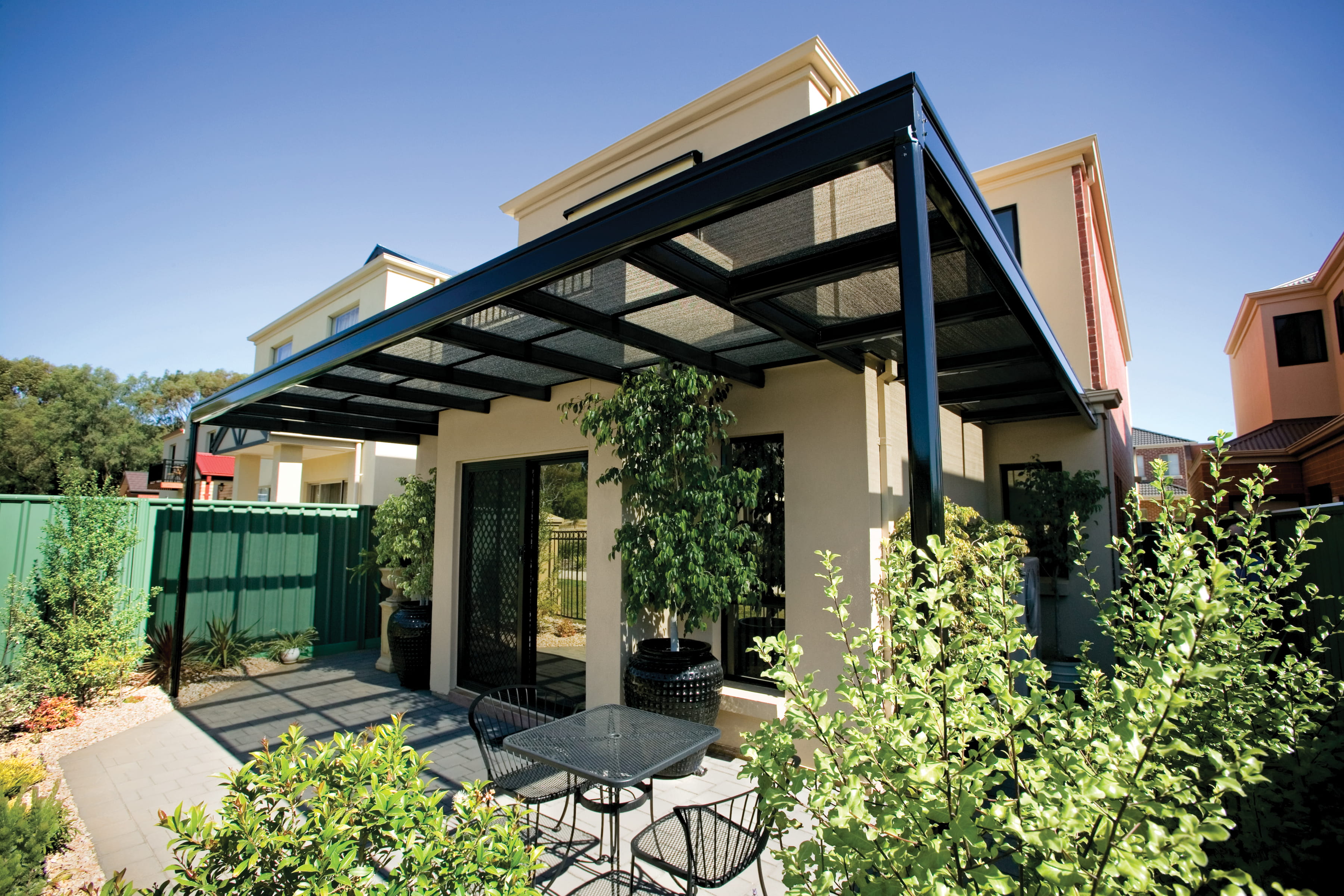
A Stratco steel pergola needs far less maintenance to keep looking good. Choosing between the two comes down to how much upkeep you’re willing to take on, how each material handles the weather, and the colour you want.
Steel vs timber pergolas: how they compare
Weighing up a timber vs steel pergola? Here’s how the two materials compare side by side.
| Timber pergola | Steel pergola | |
| Look | Natural grain and warmth. | Clean, modern lines in a gloss factory finish. |
| Upkeep | Regular recoating. | Rain does most of the cleaning. Wash sheltered spots regularly. |
| Pests and rot | Vulnerable to rot and pests, especially if moisture gets in. | Rot and timber pests aren’t a concern for a steel frame. Keep soil from building up against the posts. |
| Colour options | Any paint colour, which hides the grain and adds repainting. | A wide range of factory colours for frames, roofs and gutters. |
| Design flexibility | A lot of flexibility, and built to the design your builder draws up. | Flat or gable designs, attached or freestanding, with long spans and fewer posts. |
| Best use | You love the natural look and don’t mind the regular maintenance. | You want low upkeep and colours matched to your house. |
How each material copes with Melbourne weather
Steel and timber pergolas in Melbourne respond very differently to the city’s weather conditions, from damp winters to hot summers, and the gap widens over the long term.
Timber through wet winters and summer sun
Winter is when Melbourne is at its dampest. The Bureau of Meteorology’s long-term records show June mornings averaging 80% humidity, with under four hours of sunshine a day, so a timber pergola that gets wet is slow to dry out.
That matters because timber needs protecting from moisture, fungi, termites and UV. It can fail early if it’s left unmaintained. In practice, that means a regular cycle of sealing or painting: coatings typically last two to five years, and treated pine needs recoating every two to three years. Summer brings its own wear, as strong sun can grey timber and cause surface cracking if the finish isn’t kept up.
Some Melbourne councils, including Glen Eira, have declared all or part of their area termite-prone, so pests are worth keeping in mind.
A steel pergola and the upkeep Stratco recommends
A Stratco steel pergola handles the same weather differently. The Outback range is engineered and tested to comply with all relevant Australian Standards. Its major components are made from high-tensile steel, and the fixings and brackets are galvanised.
That’s the advantage of a metal pergola: upkeep mostly comes down to water. Stratco says steel that’s regularly washed by rain needs no extra maintenance. Sheltered spots the rain doesn’t reach need a wash about as often as you’d wash your car, using clean water and a soft brush rather than anything abrasive. It’s also worth keeping garden sprinklers and bore water off the frame.
For a seasonal routine, see how to look after your Stratco patio.
Matching the material to your home
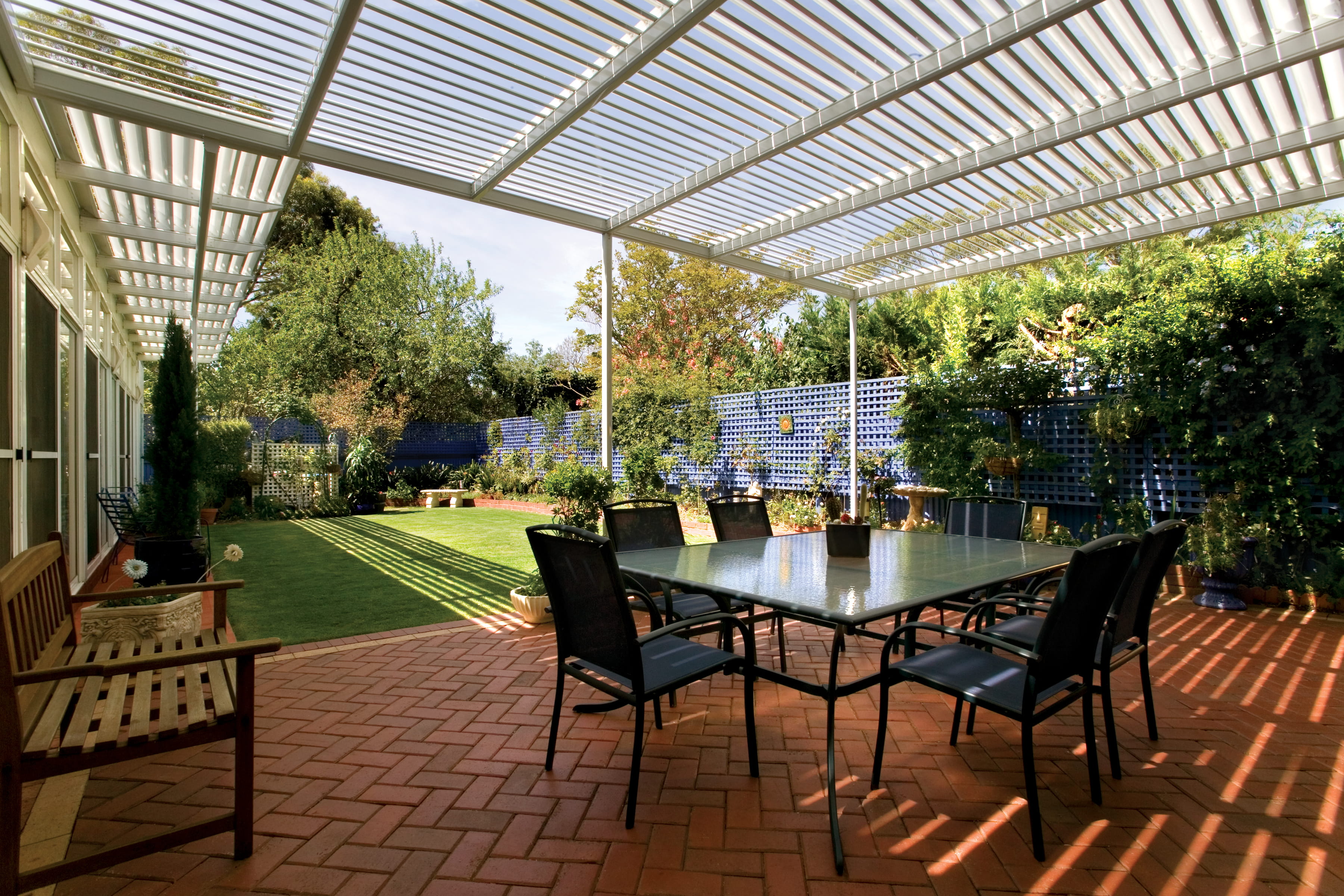
Choosing between pergola materials comes down to your home, how you use your outdoor living space, and how much upkeep you’re happy to take on. Whether you’re after a custom design or something that will completely transform your outdoor space, each material suits a different kind of home.
Timber if you love the natural look and don’t mind the upkeep
Timber’s appeal is its natural grain and warmth, which can suit a garden-style home or one with natural materials throughout. However, the trade-off is time. Painting timber covers the grain you chose it for, and leaving it natural means sealing it regularly. If you enjoy that kind of weekend project, or you’re happy to pay someone else to do it, timber can be a lovely choice.
A steel pergola if you want low upkeep and colours matched to your house
Steel pergolas offer homeowners an outdoor living area that looks finished and stays that way. Stratco’s factory colours can match or contrast with your roof, gutters and trim. Flat and gable roof pergolas, attached or freestanding, give you room to fit the style of your home. A Colorbond pergola can tie the whole outdoor area in with the rest of the house.
Carports: where steel framing makes the strongest case
A carport is used every day and in every season, and the underside never sees rain. A steel framed carport needs a regular wash-down rather than a repainting cycle. Stratco carports come with flat, gable, curved or insulated roofs, attached or freestanding, and wider beams allow designs for up to three cars. A flat roof carport suits contemporary and mid-century homes.
Questions to ask at your free measure and quote
Your free measure and quote, available across Melbourne metro, is where your pergola design comes together. We look at your site, talk through the options and give you a clear quote. These are the questions worth asking.
- Colours: Which colours suit my home? Stratco offers seven frame colours and over 20 gutter colours, so you can match or contrast with your roof and trim.
- Attachment: Should it attach to the house or stand free? This affects the shape, the span and where the posts land.
- Placement: Where should it go? Think about sun through the day, drainage, nearby sprinklers and how you’ll use the space. Working out how big your pergola should be helps here too.
- Permits: Will I need a permit? It depends on your design and property, and we can talk you through the likely approval steps.
Plan a low-maintenance pergola for your home
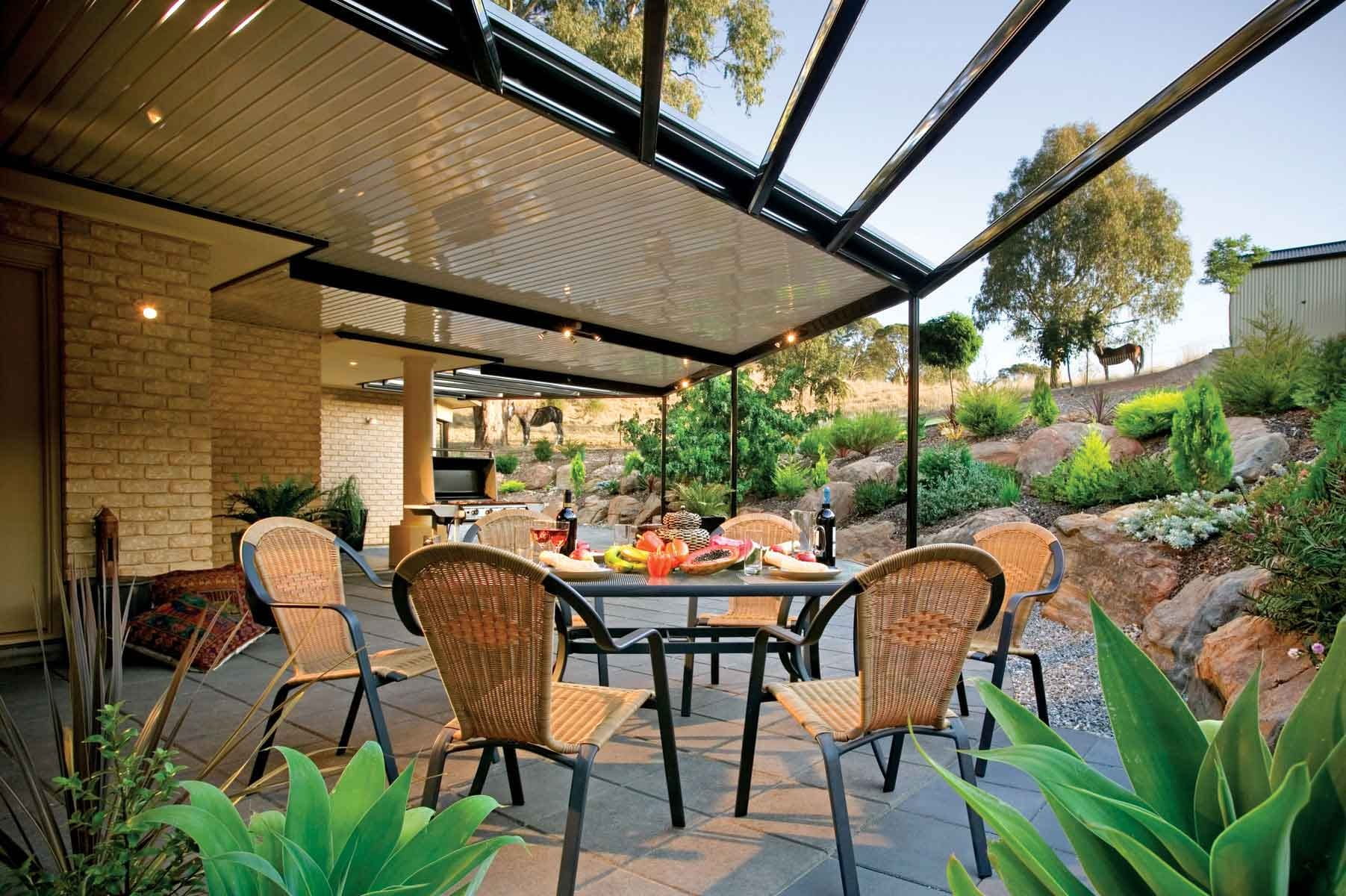
The right material comes down to your site, your style and how you want to spend your weekends. If low upkeep is high on your list, a Stratco steel pergola is worth a closer look. We specialise in designing and building pergolas across Melbourne metro, so book your free measure and quote, browse our Stratco pergolas, or check the suburbs we cover.
FAQs about steel and timber pergolas
Is a steel pergola hotter underneath than timber?
Comfort under any outdoor structure depends far more on what’s overhead than on the frame. An open pergola lets air move through. If you later add a roof, Stratco’s insulated Cooldek panels reduce heat from above, while a louvred roof lets you open or close the blades for sun or shade.
If I add a solid roof, is it still a pergola?
Generally, no. Victoria’s Building and Plumbing Commission describes a pergola as an open, unroofed structure. Once it has a solid roof, it’s usually treated as a verandah or Stratco patio, which typically needs a building permit.
Do steel pergolas in bayside suburbs need extra care?
A little. Stratco recommends washing steel with clean water at least every six months, and more often in coastal areas. If you’re close to the Bay or on the Mornington Peninsula, salt in the air makes regular rinsing worthwhile.
How long does a steel pergola take to install?
Installation usually takes one to five days, depending on the design and size, and materials arrive the day before. If a permit is needed, allow extra time for approval. Here’s more on our installation process.